Featured
Table of Contents
When it comes to text in your advertisement, less can be more. If you're attempting to get your message across in a few words, prevent generic messaging and choose language that has an effect by evoking your audience's imagination, highlighting your distinct offerings, and speaking to their needs.
Display advertisements are online advertisements that integrate copy and visual components with a call to action (CTA) message that connects to a landing page. You normally see screen advertisements along the top or sides of a websiteor often, in the middle of the content you read. Show advertisements are aesthetically attractive, economical, and a quantifiable method for a brand name to reach their marketing objectives.
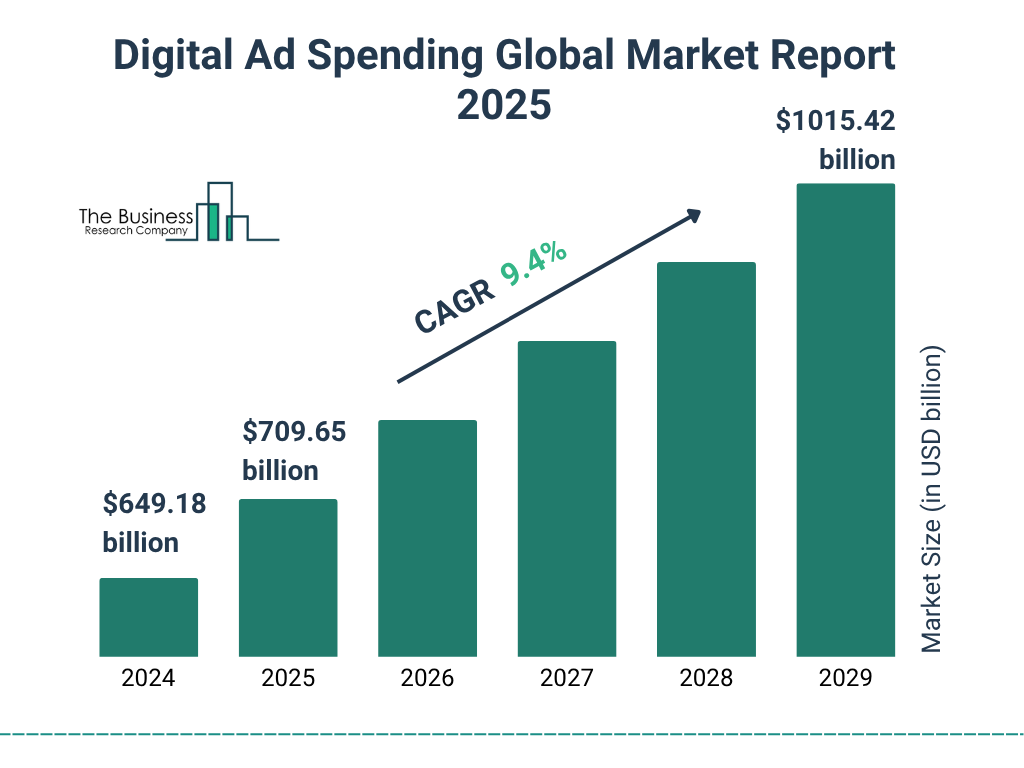
To make the many of your screen advertisements, it's valuable to comprehend what makes them different from other digital advertising solutions.
No, not the 1967 war movie The Dirty Dozen that your parents have probably seen. Let's face it, the digital world is awash in screen advertisements.
Balancing Paid Search and Social Media Strategies
All of these ads are developed to catch your attention and offer you a product or service. Show advertisements are sort of like the digital equivalent of print advertisements discovered in magazines.
Let's break down the 12 types of display ads you need to understand about. Banner advertisements are the display screen advertisements that nearly everybody is familiar with.
We're talking high-rise building ads, leaderboards, and more. They are typically static graphics, but can include some vibrant elements and shifts. Regular display advertisements appear on sites, blog sites, and other online residential or commercial properties and frequently include a call-to-action that motivates viewers to click them. Lots of marketing platforms, such as Google Show Network, let you position these ads on third-party residential or commercial properties to increase awareness about your brand and items.
Why Anonymized Data suffices for Saas Ppc That Grows Monthly Revenue
That's because when online marketers initially began to use websites to put adverts, a display ad was often a banner-shape that encountered the top of the page. Today, that's what we call a leaderboard. These show ads fit neatly into the feeds of your favorite social media platforms. They work much like display ads, but can include additional material locations that are particular to each platform (like captions and special calls to action).
Comparing PPC and Organic Advertising
Whether you're promoting an item or just trying to construct brand name awareness on a platform, social networks show advertisements can help you quickly reach your target market thanks to powerful algorithms that serve ads on the majority of platforms. Since they typically appear like regular social networks posts (we have more on native ads below), they can result in more engagement and greater consideration rates when clicking on the advertisement or going to a resulting landing page.
They incorporate an interactive element to engage the person viewing it. This screen advertisement format might let the audience hover over various parts of the advertisement to gain access to additional details. Or an interactive ad might enable somebody to drag or scroll to view info. Interactive display screen advertisements can be more costly to produce than regular display screen ads.
Display ads with video use dynamic visual material to get your audience's attention and quickly tell a story. Generally, this type of ad will display a short video with text motivating the audience to click on the advertisement.
Why Anonymized Data suffices for Saas Ppc That Grows Monthly RevenueSince video screen advertisements consist of movement and visuals, their capacity to capture attention can be exceptionally high. Nevertheless, you still need to get your point across as quickly as possible. That's because not everybody will view your advertisements to the end. According to HubSpot, 36% of online marketers state catching an audience's attention in the first couple of seconds is the most crucial element for creating video material.
Dynamic Display Advertising Tips for Growth
Unlike standard display advertisements, native advertisements are more subtle and provide an unique experience for visitors. Similar to social networks show advertisements, many individuals might be unaware they are viewing a native advertisement and presume it's simply another piece of content. Nevertheless, these ads frequently contain a label such as "sponsored" or "promoted" next to them.
That's what distinguishes them from other material on a page. Top quality material looks similar to news content on a website or app and might appear like an initial article. Example of native marketing on Pinterest (the image on the right is an advertisement) Retargeting or re-marketing show advertisements particularly target an audience currently knowledgeable about an item or service.
A couple of days later, they might see a screen advertisement from the business on a different website. The ad advises the individual about the product they saw, which might result in a conversion. This innovation was often enabled by dropping cookies from your website onto a user's internet browser enabling your ads to target that user across numerous advertisement networks.
These advertisements target consumers on mobile gadgets. You can develop screen advertisements for apps or mobile-optimized sites and inform the world about your items and services. Mobile show advertisements pack much better on mobile gadgets, guaranteeing you deliver your message to the right people. They are personalized for smaller screens, so people will not have problem seeing them.
With more than 6.92 billion mobile users worldwide in 2023, according to BankMyCell, mobile display screen ads can target consumers who may not see your digital marketing on desktop. One particular type of mobile screen ads are so called interstitial advertisements. These are full-screen ads that cover the user interface of their host application.
Strategic Paid Search Methods to Boost Conversions
Rich media show ads include audio, video, or other multimedia components to provide an immersive experience. These advertisements differ from static ads, which entirely include text and images. Display video ads fall under the classification of rich media ads. Due to the fact that abundant media advertisements motivate interactivity from your audience, you can utilize them to: Stand out from rivals that use fixed advertisements Get the attention of your audience as it scrolls pages on the web, and, eventually, increase engagement Boost view rates For example, you can movie a video of a consumer trying one of your items and turn it into a rich media display ad.

Latest Posts
The Landscape of Charity Donations for 2026
Will Corporate Philanthropy Enhance Youth Care?
Boosting Ecommerce Growth With Paid Media