Featured
Table of Contents
There are numerous types of screen marketing. Banner advertisements are an example of display screen marketing. So are desktop and mobile leaderboard ads. Most ads are rectangle-shaped or square in shape, and the material they include is usually designed to align with that of the host site and the selected audience preferences.
Display advertisements can target by habits, context, or site option, each offering distinct ways to record user interest. Display advertisements differ considerably in terms of who they target and how they work.
According to Accenture Interactive, 91% of consumers prefer to purchase from brands that remember their interests and provide deals based on their requirements. Retargeting ads do just that, and they're simple for brand names to carry out. Here's how they work. To start, position a little section of code onto your website that gathers info about visitors' searching behavior, including when they navigate to a category or item page.

Produce and place display advertisements based on the different classifications of interest you have actually observed. A vibrant remarketing project is a reliable way to keep your brand name present in the minds of buyers who have currently shown interest in what you have to provide.
You can even create advertisements that show customized product suggestions based upon a user's current interactions with your website. In addition to remarketing, Google acknowledges 4 unique kinds of individualized ads. Each integrates basic user habits and choices rather than interactions with any particular brand as a targeting option. Affinity targeting shows your ads to consumers who have actually demonstrated an active interest in your market.
Why SEM Strategies Drives Your Business
Smaller sized customized affinity groups like "long-distance runners" and "orchid growers" let you get more particular about the interests you want to target. Keep in mind that when you use narrower groups, you'll reach smaller audiences. Custom intent and in-market ads target customers who are actively looking for services or products like yours.
Similar audience advertisements target individuals who have interests or characteristics in common with your existing visitors. Rather of showing your ads to people based on their user profiles, contextually targeted ads are positioned on websites according to certain requirements, consisting of: Your advertisement's topic and keywords Your language and place choices The host website's overarching theme The searching histories of the website's current visitors You can let Google make these determinations, or you can take an active role in it yourself through topic targeting.
It also lets you specifically exclude subjects that are underperforming or unrelated to your message. Topic targeting is a lot like affinity targeting, except that your ads are matched with websites rather than users.
You can even integrate placement targeting with contextual targeting. With this method, you choose a site and let Google choose the most relevant pages for your advertisement. If you count offline in addition to online advertisements, show marketing is as old as company itself. The internet's very first ever display advertisement was a 1994 AT&T advertisement, and they've been increasing in frequency since.
Native ads are developed to blend in with the other content on a page. Native ads are less obvious than display screen ads and can sometimes reach users who have ad obstructing software application allowed.
Growth Methods for Regional Ad Spend
But there's always the danger that when they reach completion and learn that the post or post they just read was marketing, they'll end up feeling deceived. Native advertising marketers also run the risk of hiding their brand name logo and information too well. There's a possibility that readers may not observe it, not to mention remember it.
No kind of advertising is best for every company. Before you decide whether or not to invest in display screen advertisements, think about the benefits and downsides. Unlike native advertisements that imitate editorial material, display ads are plainly advertisements. While that sometimes indicates that individuals will overlook them on concept, it likewise suggests that audiences right away acknowledge that they're seeing a message from your brand.
Your audience doesn't need to check out all the method through an article or infographic to get to your brand message the way they make with material marketing or native ads. Even when individuals scroll past these messages, they still make an impression. Compared to other forms of digital advertising, show advertisements do not require intricate combination with publisher websites.
All you require is an understanding of targeting techniques. If you offer home appliances, you might publish custom-made intent ads to reach people who have been searching for brand-new designs of stoves or washing machines.
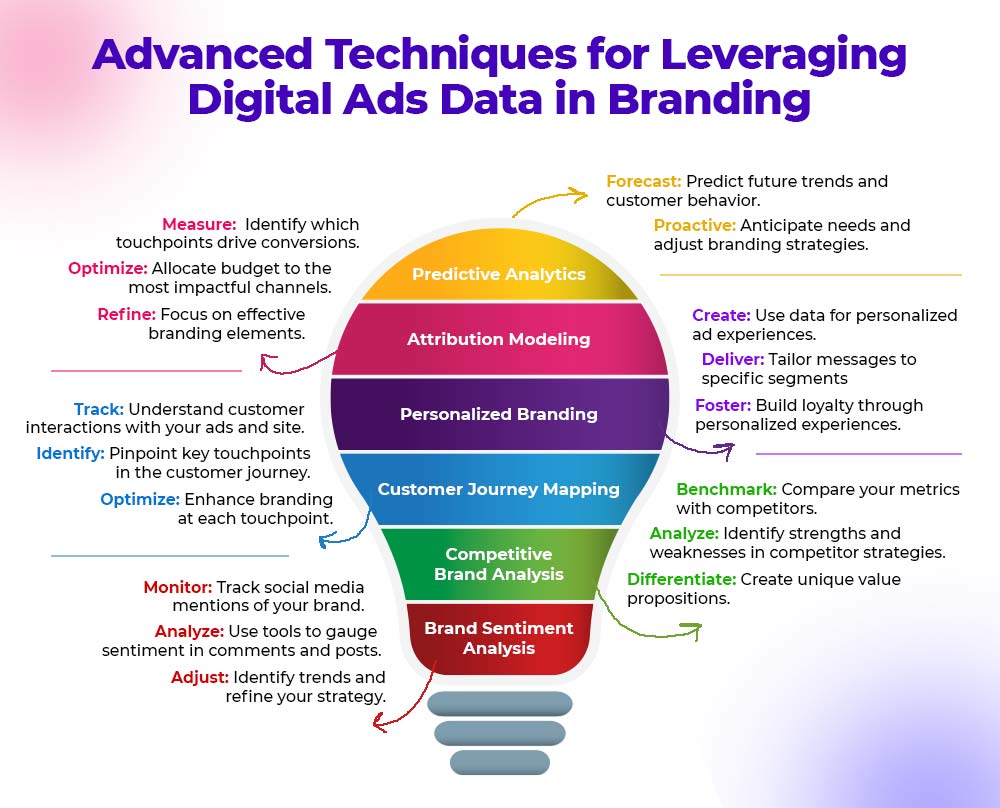
While reasonably few individuals really click screen advertisements, they can help you reach the largest segment in your target market. Their reach is as broad as that of conventional marketing while being less noticeable. A display screen ad is much less disruptive than a television or radio area, particularly if it's been matched with relevant material.
Ways to Design Effective Search AdsUsing Omnichannel Advertising
Obvious advertising makes lots of individuals feel annoyedand when people are annoyed with online ads, they tend to utilize advertisement obstructing software so that they do not see them at all. Show ads are suggested to provide your message as quickly and merely as possible, however their short length can work against them.
While display advertising is helpful, it probably won't be the genuine powerhouse behind your marketing method. Click-through rates for banner ads average around 0.1%, a lower overall than numerous other forms of online advertising. This typically translates to decrease conversions. Most people see banner ads early on in their buying journey, so they're best used as part of a long-lasting marketing strategy.
In order to appropriately assign resources and run a successful project, you should identify the effectiveness of your display screen ads. There are a few essential metrics to keep an eye on when measuring your project, including:: Impressions are the number of times your advertisement was shown on a website.

Latest Posts
Growth Methods for National Ad Spend
Analysing Simple Giving Vs Long-Term Partnership Methods
Developing the Modern SEM Strategy